By Sonia Shah
The invasive germ and its attendant pharmaceutical interventions became the dominant paradigm in Western medicine. But the magic bullet cures also dovetailed with the logic of industrial capitalism, in which the divisions between us and them, the pure and the contaminated, could be managed through the buying and selling of biomedical commodities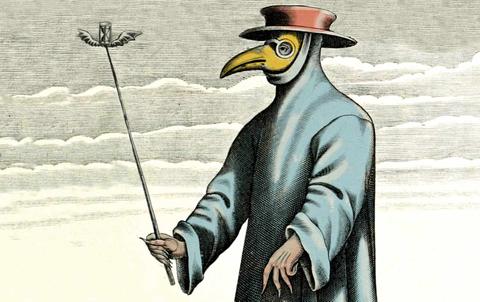 The way we talk about contagion matters. It shapes how societies respond—and whether many of us will survive
In the summer of 1832, a mysterious scourge that had come all the way from Asia loomed over the city of New York, having ravaged London, Paris, and Montreal. Medical officials collected data showing that the disease—cholera—was spreading along the newly opened Erie Canal and the Hudson River, heading straight to New York City. But New York’s leaders did not attempt to regulate traffic coming down the waterways.
The demands of commerce were part of the reason; officials knew that shutting down the routes would have disrupted powerful commercial interests. But no less powerful was the belief that they didn’t need to. According to the reigning paradigm, contagions like cholera spread through clouds of smelly gas called miasmas. Cholera, one expert said at the time, was “an atmosphere disease…carried on the wings of the wind.” To protect themselves from these deadly gases, people burned barrels of tar and strung up large pieces of meat on poles, which they hoped would soak up the cholera vapors. In London they attempted to rid their homes of stinky miasmas by dumping human waste into the river, which also served as the city’s drinking water supply.
The stories people told about the contagion in their midst sealed their fate. Outbreaks of cholera plagued London, New York, and many other cities for the better part of a century, killing millions of people. » Read the rest of this entry «

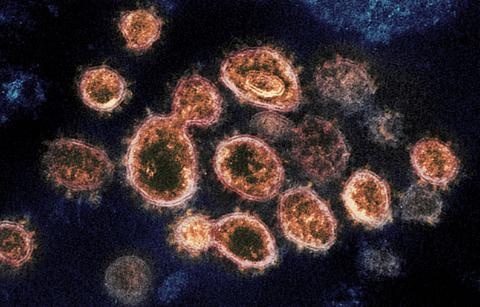 Electron microscope image shows SARS-CoV-2 virus particles which causes COVID-19
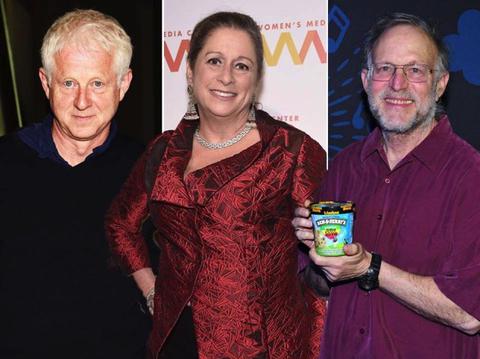 Exclusive: Group of 83 wealthy individuals demands ‘immediate, substantial and permanent’ higher taxes ‘on people like us’
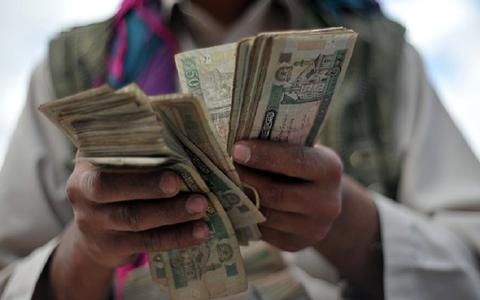 Despite the statements of the US President D. Trump on the need for an early withdrawal of the US military from Afghanistan, the interest of the Pentagon, the CIA, and the industrial complex in maintaining a military presence in this country is obvious. We are talking about the use of American financial aid flows to Afghanistan for selfish purposes